
Biomechanics
Joint, tissue, and patient-specific loading.
Orthopedic Device Engineering connects clinical problems to engineering methods, technical validation, and responsible clinical adoption.
Orthopedic Device Engineering (ODE) is an interdisciplinary field dedicated to the conception, design, analysis, manufacturing, testing, clinical integration, and lifecycle evaluation of devices used in musculoskeletal medicine.
Rather than considering implants purely as medical products or isolated mechanical structures, ODE places patient anatomy, biomechanics, tissue response, engineering performance, surgical constraints, and clinical outcomes into one integrated scientific framework.
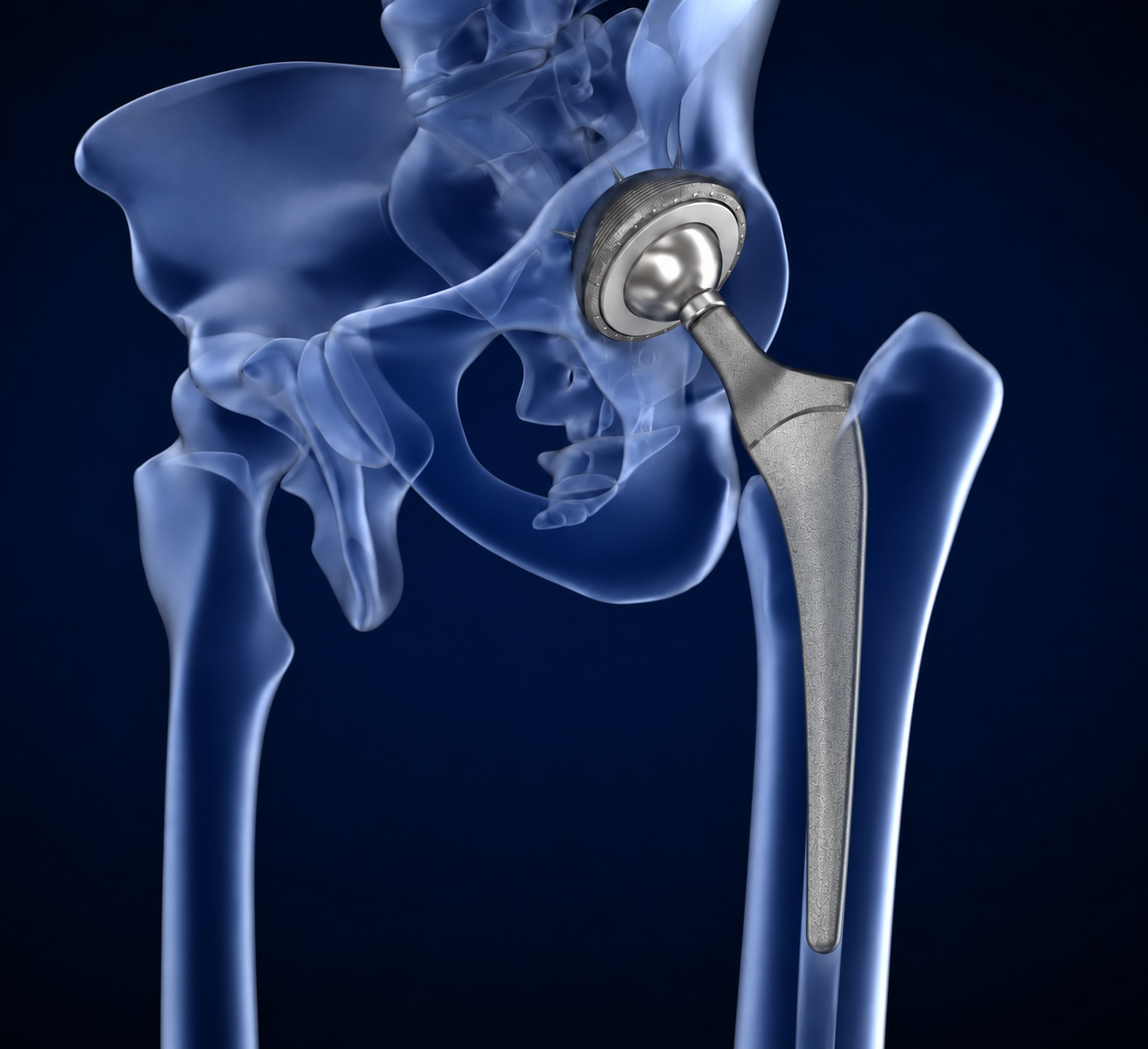
Joint, tissue, and patient-specific loading.
Fracture fixation, arthroplasty, and implants.
Metals, polymers, ceramics, and interfaces.
FEA, optimization, and digital workflows.
Performance validation, fatigue, and failure.
Additive manufacturing and surface design.
Imaging, robotics, navigation, and data.
Regulatory science, adoption, and outcomes.
The discipline encompasses more than initial device invention. It also concerns the conditions under which a device is used, how performance is measured, how risks are controlled, and how findings from clinical practice inform the next generation of design.
The inaugural conference ↗Define the unmet need, patient population, anatomy, and constraints.
Establish engineering specifications, loading conditions, and risk criteria.
Integrate materials, computational tools, manufacturing, and human factors.
Test device performance and clinical relevance using appropriate evidence.
Consider implementation, surveillance, feedback, and iterative redesign.